
Quieting Everyday Soundscapes
From late-night footsteps to traffic hum outside your window, everyday noise can erode rest, focus, and neighborly goodwill. Here we explore neighbor and street noise through two complementary paths: collaborative mediation to rebuild understanding and trust, and practical mitigation strategies you can apply at home. Expect clear steps, stories, and tools for measuring sound, opening respectful dialogues, upgrading rooms, and navigating local rules. By combining empathy with evidence and smart fixes, you can reclaim calm without sacrificing community spirit.

Know the Noise Before You Fight It
Understanding what you hear, when it occurs, and how it travels is the foundation of effective action. Track patterns across days, note sources and room locations, and learn basic acoustics like reflection, flanking, and frequency. A clearer picture turns frustration into targeted choices that reduce decibels while preserving relationships and realistic expectations.

Prepare for a Respectful Conversation
Draft a concise, non-accusatory description of what you hear, when it happens, and how it affects sleep or work. Offer choices rather than ultimatums, like adjusting schedules, adding felt pads, or exploring rugs. Suggest a trial period and a friendly check-in date to reassess progress together.
Find Facilitation That Fits
Community mediation centers, building managers, and tenant associations can host structured conversations at low or no cost. A neutral person keeps emotions from derailing practical steps. Ask for a written summary, timelines, and responsibilities so everyone leaves with clarity, dignity, and a shared commitment to specific improvements.

Write Agreements That Last
Capture concrete changes, target dates, and how you will communicate updates. Specify quiet hours, flooring pads, or window upgrades, plus who contacts contractors and pays. Include a review meeting and a backup path if obstacles appear, protecting goodwill while keeping momentum toward a quieter, more cooperative building.
Practical Fixes Inside Your Home
Small, reversible changes can significantly cut transmission without major construction. Focus on sealing air gaps, adding soft materials to absorb reflections, and increasing mass where sound sneaks through. Layer simple steps, measure results, and prioritize the few interventions that deliver the biggest comfort gains for your schedule and budget.
Quick Wins in Under an Hour
Install door sweeps, seal outlets with foam gaskets, and close obvious baseboard cracks with acoustical caulk. Add felt pads under chairs, a thick runner in hallways, and soft bumpers on cabinet doors. These low-cost moves reduce sharp impacts immediately while you plan deeper, longer-lasting improvements.
Weekend Projects With Real Impact
Hang dense curtains with tight side returns, mount a solid-core door where hollow sounds leak, and lay interlocking underlayment beneath rugs to tame footfall. Build a simple bookcase against a shared wall. These layered additions add mass and absorption without altering the structure or violating lease terms.
When DIY Needs Backup
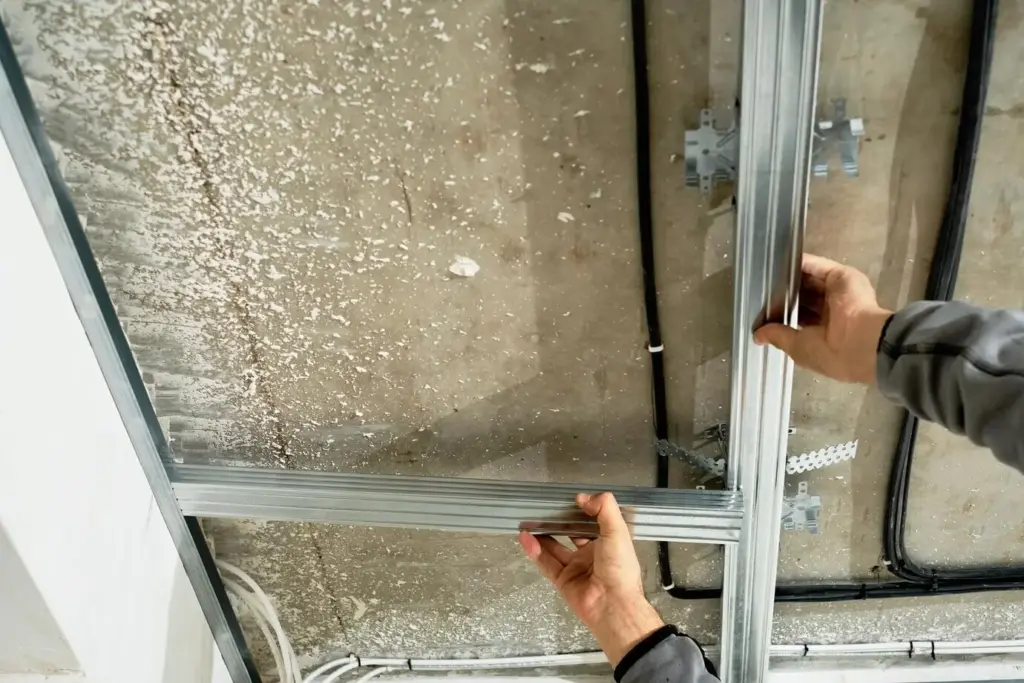
Some challenges require professional help: resilient channels, decoupled ceilings, or secondary glazing demand expertise to avoid shortcuts that worsen performance. Get multiple quotes, request testable goals, and confirm fire, ventilation, and egress requirements. Smart design prevents wasting money while unlocking meaningful improvements in sleep quality and peaceful routines.
Tackling Traffic and Outdoor Clamor
Exterior noise needs a different toolkit than footsteps upstairs. Focus on window integrity, facade tightness, and smart interior zoning that buffers sleeping spaces from street walls. Combine vegetation, white noise, and airflow solutions to balance quiet with fresh air, daylight, and realistic maintenance you can sustain.



Document With Care and Context
Use a calibrated app or meter, but pair numbers with dates, locations, and narrative notes that explain impacts. Save audio samples carefully. Accurate, respectful documentation strengthens your credibility, shows patterns clearly, and invites solutions rather than blame when presented to managers, boards, or city agencies.
Work With Landlords and HOAs
Approach property managers with a solution mindset and clear requests, like adding stair treads or enforcing existing quiet hours. Reference relevant clauses and propose reasonable timelines. Cooperative tone, good data, and practical options make it easy for decision-makers to prioritize action and demonstrate care for resident wellbeing.
Engage City Channels Effectively
When severe issues persist, learn how your city handles noise reports, thresholds, and evidence. Ask about night response, acceptable measurements, and repeat offender procedures. Keep requests specific and courteous, and update neighbors so collective efforts remain transparent, fair, and oriented toward constructive, lasting improvements rather than punitive cycles.
Build a Culture That Favors Calm

Welcome Kits and Gentle Norms
Offer move-in bundles with felt pads, door bumpers, and a clear guide to quiet hours. Include a cheerful note inviting questions and listing mediation resources. Tangible tools plus warm tone signal shared responsibility, easing future conversations and preventing problems before they grow into chronic frustrations for anyone.

Make Consideration Visible
Use playful signage, shared calendars, and stairwell posters to normalize low-impact habits like soft shoes or gentle door closes. Highlight success stories in building messages. Visibility creates momentum, making it easy for newcomers to join and for long-time residents to feel proud of collective progress toward calm.
Plan Quiet Hours That Work
Collaboratively choose windows that respect families, shift workers, and students. Consider weekends, holidays, and celebrations by building in exception procedures. Transparent norms with fair flexibility reduce conflict, because people know what to expect and how to ask for considerate accommodations when life gets beautifully noisy and unpredictable.
Measure, Adjust, and Sustain
Progress sticks when you track it. Choose reliable tools, reflect on wellbeing, and refresh agreements as life changes. Blend technology with mindfulness so spikes feel manageable, not defeating. Share results with neighbors, celebrate small wins, and keep engaging so quiet becomes a shared, resilient practice rather than a fragile moment.
Pick the Right Meter and App
Look for A-weighted readings, slow and fast response settings, and proper calibration. Log peaks and averages, then export charts for clarity in conversations. Accurate data empowers smarter choices, validates progress, and prevents endless debates about perception by grounding discussions in consistent, transparent, repeatable measurements everyone can understand.
Care for Your Nervous System
Even with great insulation, life brings surprises. Build routines that calm the body: breath work, movement, and mindful breaks. Pair these with sound masking and bedtime rituals so resilience grows. Feeling steadier makes negotiations easier and turns occasional disruptions into tolerable, temporary blips rather than spirals.
Join the Conversation and Share Wins
Share which fixes delivered the biggest relief, what mediation phrasing opened doors, and which apps helped you measure progress. Your experiences will guide others facing similar challenges. Leave a thoughtful comment, subscribe for future guides, and invite a friend who needs encouragement to begin building a calmer, more considerate home together.
All Rights Reserved.