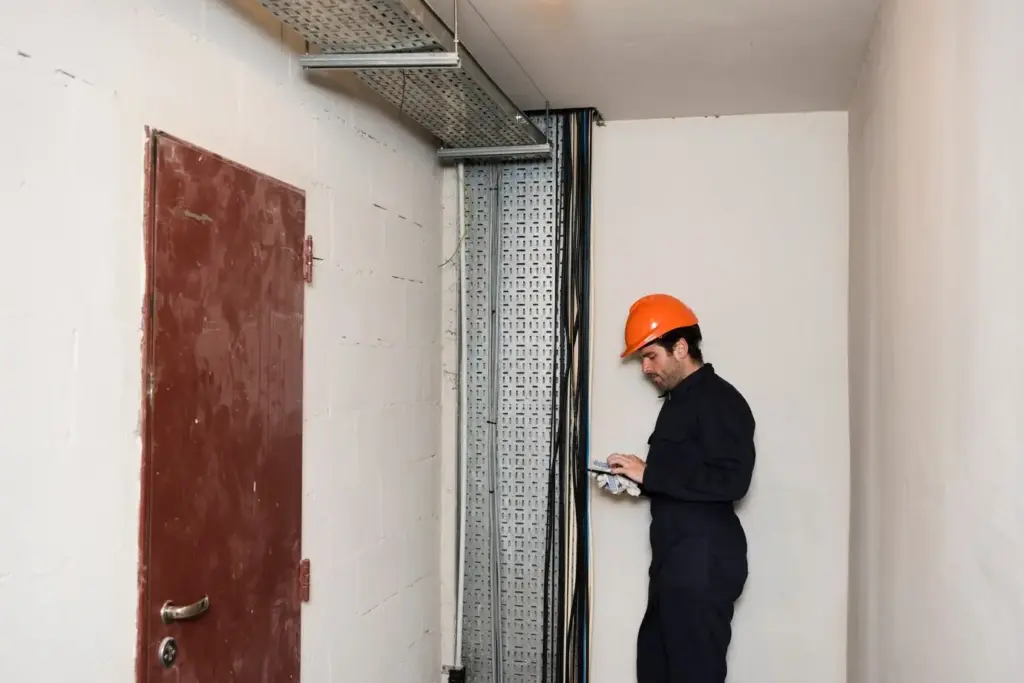
Sleep-Quiet Nights: Taming HVAC and Plumbing Sounds

Settle into calmer evenings as we explore HVAC and plumbing noise reduction techniques for nighttime comfort, blending simple maintenance, smart controls, and targeted upgrades. From tracing subtle hums to stopping pipe chatter, you’ll learn practical steps, safety-minded tips, and pro-level insights that protect sleep, improve comfort, and invite everyday peace throughout your home.

Find the Noise Before It Finds Your Sleep

Quiet begins with clarity. Map when, where, and how noises occur, distinguishing airborne hiss from structure-borne vibration that crawls through floors, studs, and ductwork. Conduct a calm, late-evening walkthrough, note temperatures, system modes, and water use, then compare patterns. The better your diagnosis, the fewer guesses, faster fixes, and more dependable, sleep-friendly results.

Quiet Wins From Maintenance

Before expensive upgrades, start with fundamentals that shrink noise at the source. Clean filters and coils restore smooth airflow, while tightened fasteners and fresh pads suppress rattles. Secured pipes and right-sized pressures reduce bangs and hiss. These accessible steps often deliver remarkable nighttime relief, protect equipment, and set a stable baseline for any deeper improvements ahead.

Upgrades That Make Noise Disappear

Variable speed comfort that glides through the night

Electronically commutated motors and staged compressors ramp gently, avoiding abrupt starts that jolt sleepers. Lower, steadier airflow reduces turbulence and grille hiss, while smart controls adjust to demand. Selecting equipment with low sone ratings, rubber isolation feet, and properly sized returns turns an edgy system into a whispering partner that respects rest without sacrificing comfort.

Duct and vent acoustics that soften turbulence

Acoustic duct liner, longer-radius elbows, and gradual transitions quiet aggressive airflow. Choose registers with low pressure drop and avoid undersized grilles that whistle at night. Add short sections of lined duct before supply grilles in bedrooms, where ears are most sensitive. The right geometry and materials transform edgy whoosh into smooth, barely noticeable movement and relief.

Plumbing stability with arrestors, PRVs, and isolation

Place water hammer arrestors near fast-acting valves, pair with a pressure-reducing valve for steadiness, and maintain a properly charged thermal expansion tank. Isolate circulating pumps with flexible connectors and resilient mounts. By taming surges and decoupling vibration, nighttime knocks fade to nothing, letting appliances run without startling echoes through joists, walls, and ceiling cavities.

Smart Night Controls and Schedules

Thermostat strategies that respect deep sleep

Large setbacks can trigger long, noisy recovery cycles. Use modest adjustments and enable slow ramp features where available. Consider low, continuous circulation only if your duct design stays quiet; otherwise prefer Auto. Maintain humidity within comfort ranges to avoid clammy calls that provoke surprise runs. The goal is steady, calm operation that barely registers overnight.

Zoning and balancing for whisper-quiet bedrooms

Properly balanced dampers deliver enough air without whistling through starved registers. Avoid forcing too much flow through small bedroom grilles. If zoning, coordinate damper timing to prevent pressure spikes, and use quiet diffusers sized for low velocity. Fine-tuned balance turns noisy bursts into soft, even breaths that stay comfortable without stirring sleepers awake unnecessarily.

Water on your schedule, not during quiet hours

Delay dishwashers and washing machines to finish before bedtime, avoiding quick valve closings after lights out. Use timer or demand-based recirculation so hot water arrives when needed without continuous pump noise. Combine mixing valves with sensible setpoints. These choices reduce pressure shocks and hums, shrinking nighttime disturbances while preserving convenience and sanitary hot-water performance.

Build a Quieter Path Through Your Home

Sound travels the paths we give it. Improve door seals, weatherstripping, and duct tightness to curb hiss. Decouple equipment and pipes from framing, add acoustic pipe lagging, and use isolation hangers. Targeted changes reduce flanking transmission, creating bedrooms that feel like sanctuaries even when systems operate, protecting rest without compromising airflow, drainage, or safety requirements.

Measure, Verify, and Share

Validation builds confidence. Use simple sound apps to record nighttime levels and track improvements after each change. Aim for roughly 30 dBA or an NC-25 target in bedrooms. If numbers stay stubborn, consult professionals. Share your findings, ask questions, subscribe for updates, and help neighbors sleep better by passing along proven, real-world solutions and encouragement.
Mumolotivezinimupeti
Privacy Overview

This website uses cookies so that we can provide you with the best user experience possible. Cookie information is stored in your browser and performs functions such as recognising you when you return to our website and helping our team to understand which sections of the website you find most interesting and useful.